ABOUT ME
I am a trauma-informed relationship psychotherapist, tenured psychology professor, phenomenological researcher, and artist.
My work helps people heal from personal and societal trauma, find empathy and compassion across difference, and develop healthier ways of loving self and others in this challenging, increasingly fragmented world.
I received my education at New York University (B.S. in Psychology and Communications, 2006; M.A. in Mental Health Counseling, 2012) and Duquesne University (Ph.D. in Clinical Psychology, 2018), and I am currently based in Decatur, GA.
“Love is an art, just as living is an art. If we want to learn how to love we must proceed in the same way as if we are learning any other art. There must be nothing else in the world more important than mastery of the art.” – Erich Fromm
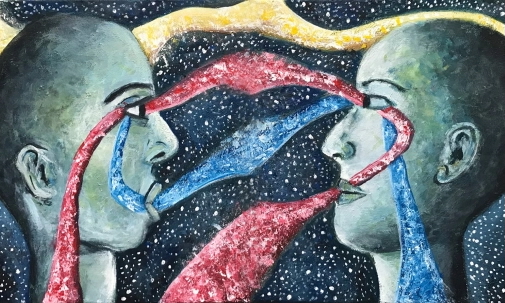
Psychotherapy for individuals and couples
I find sacred purpose in helping clients navigate the complexity of relationships in all their suffering, beauty, and diversity.

Arts-based phenomenological research
I express qualitative research as films and paintings to “give psychology away” to the public for psychoeducation, community healing, and social change.
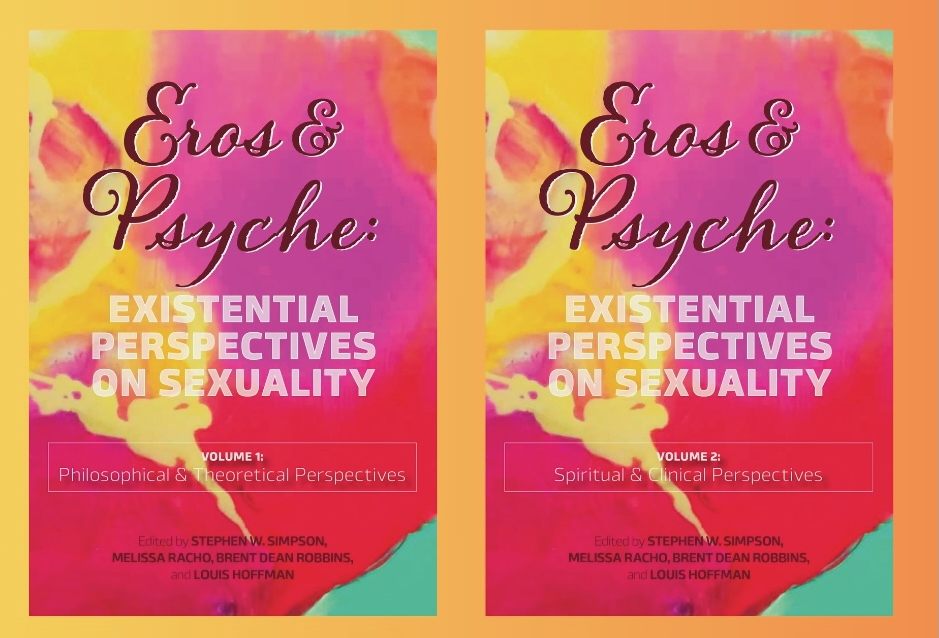
Publications and scholarship
I publish writings about emancipatory arts-based research methods, and creative approaches to trauma healing for individuals and the collective
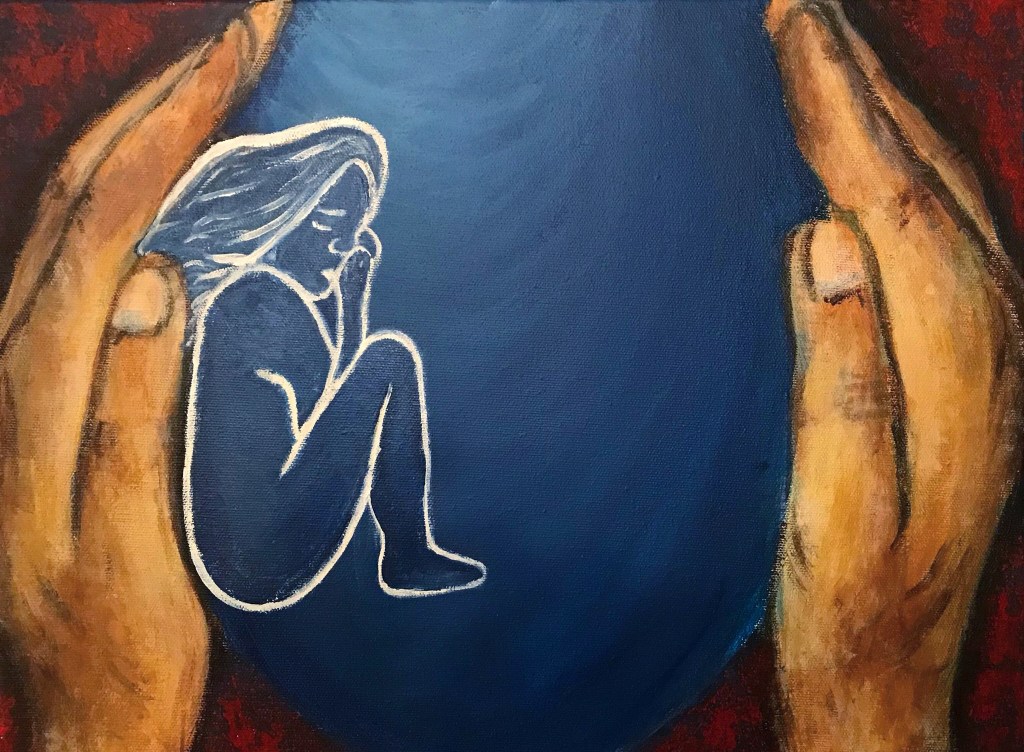
Art for personal and collective healing
I make art as a form of personal therapy, and share it with the hope that its psychological meanings might be healing for others.
Trauma-informed relationship psychotherapist for individuals and couples.
I help individuals and couples navigate the complexity of relationships in all their suffering, beauty and diversity–including concerns related to self-worth, intimacy, attachment, communication, trauma, conflict, sexuality, power dynamics, creative expression, grief, identity, and spiritual exploration. I integrate depth and liberation psychology approaches with contemporary trauma-informed practices to provide insight-oriented, culturally-sensitive therapy for clients.
Individual therapy: I help clients heal relational trauma contributing to mental health distress (depression, anxiety, PTSD), and repair trust in their inner wisdom to create a dynamic, loving life that aligns with their truth.
Couples therapy: I help couples gain insight and transformation around painful relational cycles, and empower them with a trauma-informed lens through which to communicate and connect in healthier, less wounding ways.
Cultural sensitivity: Sensitive to the psychological impact of social norms, I have expertise working with LGBTQ+ and BIPOC folks, and those in intercultural and non-traditional (queer, poly, kink) relationships.
Psychology professor at the University of West Georgia.
In addition to doing psychotherapy, I also teach undergraduate and graduate students as a tenured professor at the University of West Georgia, in a psychology department known for humanistic, transpersonal, and critical psychologies.
Humanistic Psychology emphasizes the beauty that exists inside every human being, and strives to cultivate supportive relational conditions to help people self-actualize and flourish to their fullest potential.
Transpersonal Psychology emphasizes the link between psychology and spirituality, and honors psycho-spiritual forms of healing such as meditation and contemplative arts.
Critical Psychology explores the way that our cultural contexts and societal norms can often wound us psychologically, and empowers people to be a force for social change.

Healthy Conflict Resolution: Sample Undergraduate Virtual Course
Our words have the power to make things better or make things worse, to de-escalate or escalate the challenging interpersonal situations in our life. Even with the best intentions, it can be difficult to express ourselves to others in ways that build harmony and trust amidst conflict.
This course introduces students to a tool for healthy conflict-resolution called “non-violent communication,” developed by Marshall Rosenberg to use language in a way that helps people reach mutual understanding, empathy, and compassion even in seemingly “impossible” situations. By practicing how to use language in a conscious and compassionate way through the tool of Non-Violent Communication, this course seeks to teach students how to approach conflicts as opportunities for personal growth and evolution, and potentially even greater relational intimacy.

Explorations into Creativity: Sample Graduate In-Person Seminar
Creativity is a life-force that lives within all human beings, which guides us towards healing, wholeness, and empowerment personally and collectively. Creativity is essential to the flourishing of artists, scientists, inventors, entrepreneurs, educators, and activists. It is also embraced by therapists as a tool for insight and catharsis, including art therapy and creative transformations of trauma.
This course functions as a therapeutic workshop to help students overcome self-criticism and develop trust in their creative intuition. Theoretical readings are curated alongside weekly creative activities to inspire students’ intuitive capacities and inner confidence as creative beings. Students are encouraged to stretch themselves in their courage to create, to nurture the inner child who is the source of creative genius, and to be vulnerable in sharing their creative works with others for collective healing and transformation.

 Dr. Nisha Gupta